
Summary
Talking to a spouse about senior living requires patience, timing, and a focus on shared goals rather than pressure or criticism. This conversation works best when approached as a team effort, allowing both partners to voice concerns and explore options together.
- Choose a quiet, private moment free from stress or distractions to begin the conversation naturally
- Lead with what you both value—more time together, fewer chores, easier meals, and stronger community connections
- Share observations with kindness rather than criticism to keep the discussion focused on partnership, not blame
- Listen more than you talk and give your spouse time to process concerns about leaving their home, routines, and familiar places
- Explore senior living options together as a shared research project, including tours and financial discussions, without rushing toward a decision
Talking to a spouse about senior living can feel like one of life’s harder conversations. Maybe you're worried about home maintenance, safety, health changes, isolation, or simply keeping up with the day-to-day responsibilities of a house. Whatever prompted the thought, approaching a spouse about senior living with patience and care can make the conversation feel less overwhelming for both of you.
This isn't just a practical decision; It's an emotional one, too. A move affects both partners, which is why it helps to approach the topic as a team. The goal isn't to convince your spouse to downsize in one conversation. It's opening the door to honest discussion, shared planning, and a future that still feels familiar, connected, and your own.
Choose the Right Time and Place
Choose a quiet moment when neither of you feels rushed, tired, or already stressed. Avoid bringing up the topic during a family gathering, right after a difficult appointment, or immediately after a concerning incident.
A peaceful afternoon at home, a slow morning over coffee, or even a relaxed drive through Joplin can make the conversation feel more natural.
To create a calmer setting:
- Turn off the television and put phones aside.
- Choose a private place where both of you can speak openly.
- Start with a gentle comment, not a big announcement.
- Give your spouse time to respond without pressure.
For example, you might say, “I’ve been thinking about how much time we spend keeping up with the house. Could we talk sometime about what would make life easier for both of us?”
Lead With Shared Goals
When discussing retirement living with a partner, start with what you both value. Maybe you want more time together, fewer chores, easier meals, less driving, or more opportunities to see friends and family. Framing the conversation around shared goals helps it feel less like a loss and more like a thoughtful next step.
Try to focus on what could improve:
- Less time spent on yardwork, repairs, and housekeeping
- More predictable monthly planning
- Easier access to dining, events, and transportation
- A stronger sense of community
- More time for hobbies, family, and rest
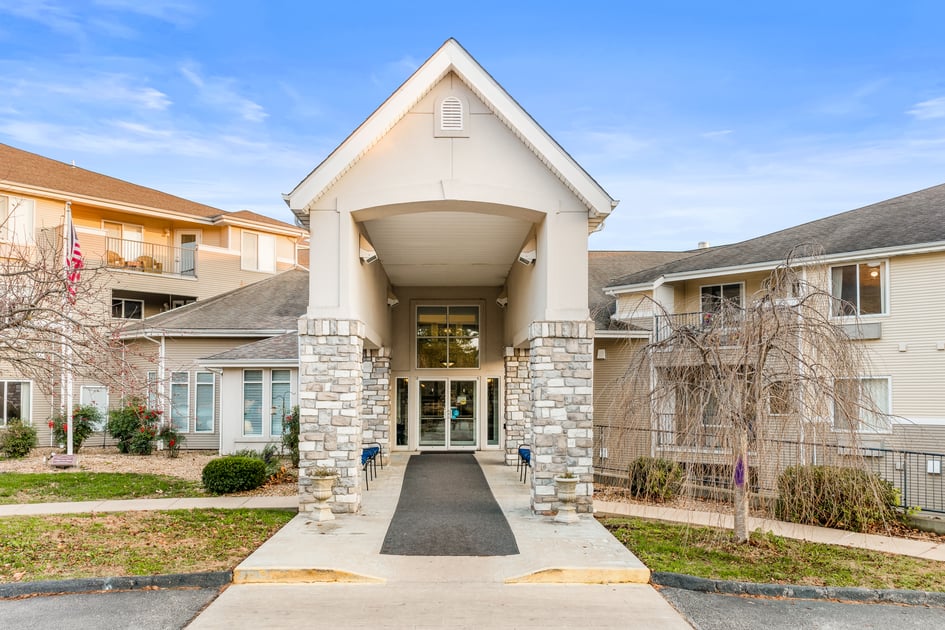
At College View Manor, our Active Independent Living is for older adults who want the ease of a senior living community while still enjoying their own routines. In Joplin, MO, that can mean flexible dining, housekeeping, scheduled transportation, events, outings, and a relaxed setting near Missouri Southern State University and local downtown life.
Share Concerns Without Criticism
A senior living conversation with husband or wife can quickly become emotional if one person feels judged. Rather than listing problems, share observations with kindness.
Instead of saying, “You can’t keep up with the house anymore,” try:
“I’ve noticed we’re both more tired after taking care of the yard.”
Instead of saying, “We need to move,” try:
“I wonder if there's a way for us to make daily life simpler while still staying close to the area we know.”
This keeps the conversation focused on the two of you, not on blame. It also fits the reality for many couples in rural and close-knit communities: staying connected to familiar places, neighbors, and routines matters.
Listen More Than You Talk
Once you bring up the idea, pause. Your spouse may have concerns you have not fully considered. They may worry about leaving a longtime house, sorting belongings, changing routines, or losing privacy.
Give those feelings room. A good senior living conversation with a wife or husband includes listening without rushing to solve everything.
Ask open-ended questions, such as:
- “What would be hardest for you about making a change?”
- “What parts of our current home do you most want to keep in our daily life?”
- “What would make a new apartment home feel comfortable?”
- “Would it help to look at options together without making a decision yet?”
Listening builds trust. It also helps you understand whether your spouse needs more information, more time, or more reassurance.
Explore Options Together
The conversation may feel easier when it becomes a shared research project. Instead of presenting senior living as a decision that has already been made, invite your spouse to learn with you.
You might suggest:
- Looking at floor plans and apartment home options
- Reading about dining, housekeeping, events, and transportation
- Visiting a community for lunch or a tour
- Asking questions about costs, services, and daily routines
- Talking about what you each want in the next chapter
College View Manor offers apartment homes in a pet-friendly community with dining, housekeeping, events, outings, and a 24-hour concierge service. For couples who want less responsibility without leaving the Joplin area, these everyday conveniences can be a helpful starting point for discussion.
Talk Honestly About Downsizing
Convincing your spouse to downsize shouldn't feel like pushing them to give things up. Downsizing is often about choosing what matters most and letting go of what has become too much to manage.
Try shifting the focus from “less space” to “less stress.” A smaller, easier-to-maintain apartment home can mean fewer repairs, less cleaning, and more freedom in your day.
It may help to talk through questions like:
- Which belongings feel most meaningful?
- What furniture would make a new space feel familiar?
- What household tasks are we both tired of managing?
- What would we do with extra time if fewer chores were on our list?
This helps the conversation stay practical and personal.
Discuss the Financial Side Together
Money is often one of the biggest concerns. Review your current monthly costs, including utilities, groceries, property taxes, maintenance, home repairs, transportation, and lawn care. Then compare those expenses with what's included in a senior living community.
Do this together, slowly and clearly. If needed, bring in a trusted financial advisor or family member. A neutral voice can make the process feel less like one spouse is pressuring the other.
The goal isn't to win an argument. It's to understand what each option really means for your budget, lifestyle, and peace of mind.
Give the Conversation Time
Talking to a spouse about senior living rarely ends with an immediate decision. Your partner may need days, weeks, or even months to think about it. That's normal.
Keep the door open with small next steps. Share a helpful article. Look at a floor plan. Drive by a community. Attend an event. Schedule a low-pressure visit.
Frequently Asked Questions
What If My Spouse Refuses To Talk About Senior Living?
Start smaller. Instead of asking whether they want to move, ask what feels hardest about your current routine. A conversation about chores, meals, transportation, or home maintenance may feel less intimidating.
How Do I Bring Up Senior Living Without Sounding Pushy?
Use “we” language. Say, “How can we make life easier?” or “What would help both of us feel more comfortable in the years ahead?” This keeps the focus on partnership.
Should We Tour a Community Before We Are Ready?
Yes. A tour does not mean you have made a decision. It simply gives both of you real information. Seeing dining spaces, apartment homes, common areas, and events in person can make the idea feel less abstract.
Take the Next Step Together
A thoughtful senior living conversation isn't about rushing change. It's about honoring your life together while making room for what comes next. With patience, honest listening, and shared exploration, you can move forward in a way that respects both partners.
To learn more about daily life, apartment homes, dining, events, and community connection in Joplin, schedule a tour at College View Manor.